How to read planned maintenance inspection forms — interval tracking fields, service category logs, and fluid observation categories for educational reference.
Planned maintenance format overview
Scheduled fleet service documents often combine oil and filter interval notes, tire rotation categories, brake wear monitoring fields, and multi-point inspection structures on a single workshop form. Each category uses provider-specific column headers that benefit from a neutral glossary before authorizing service.
Educational modules describe information delivery methods: how interval countdown fields are calculated, what utilization rate context may be noted, and how follow-up monitoring columns appear when observations fall outside reference ranges documented on the form.
Interval tracking fields
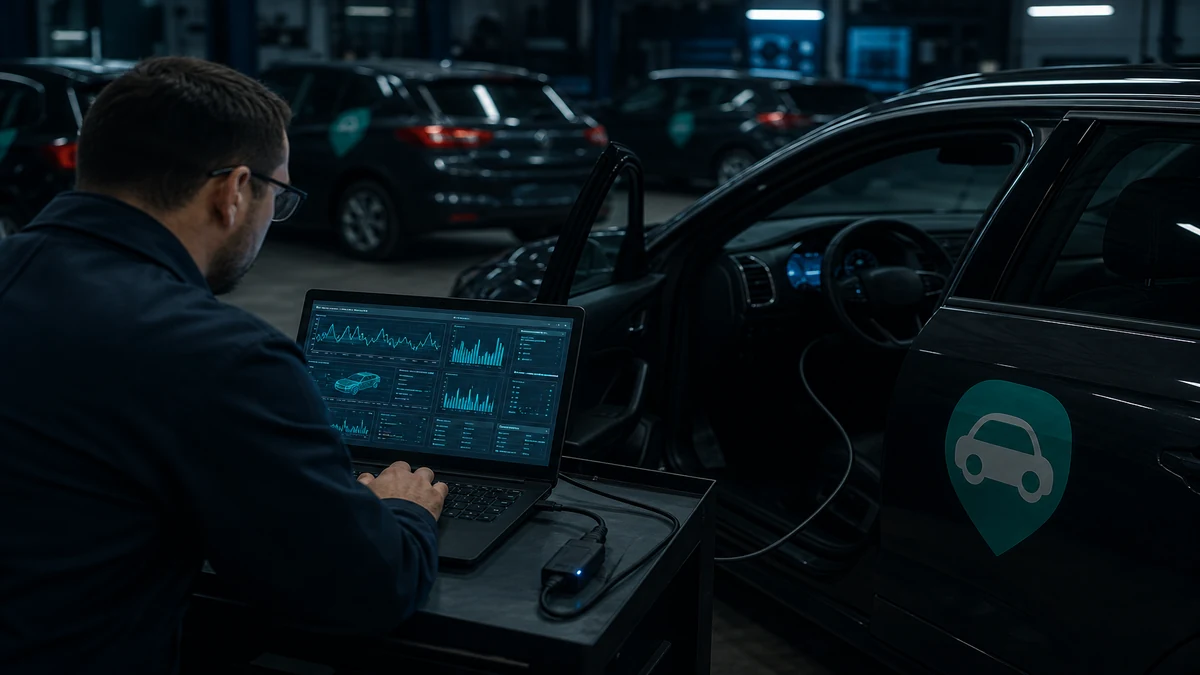
Maintenance reports may list odometer at last service, days since prior visit, utilization hours where tracked, and remaining interval estimates for oil, filters, and wear components. Modules explain field names without directing specific repair packages — licensed evaluation determines appropriate next steps.
Mixed fleets with varying model years may document interval exceptions separately per vehicle class. Understanding exception observation fields supports clearer questions about which vehicles were evaluated and under what mileage thresholds.
Service category observation columns
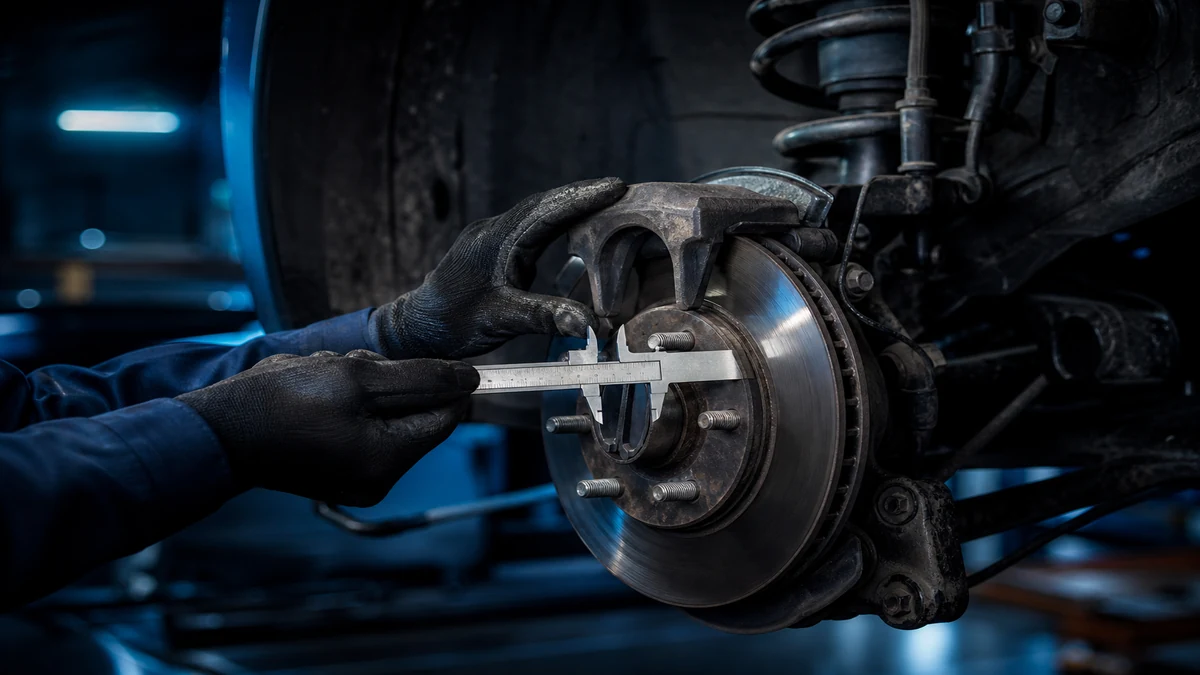
Planned visits often include engine oil level and condition notes, coolant reservoir observation, brake fluid moisture context where tested, transmission fluid color classes on applicable vehicles, and cabin filter replacement interval fields. Each line item describes a documentation field — not a mandatory exchange scope.
Organizational maintenance logs can mirror workshop portal categories. Reference formats describe column headers such as observation class, last service date context, and follow-up monitoring — vocabulary for internal records, not operational mandates.
Learning format and module structure
Our planned maintenance track uses modular lessons: glossary entries first, sample report walkthrough second, and neutral planning vocabulary third. This sequence supports readers who encounter fleet service forms for the first time without assuming prior trade training.
Artificial intelligence may assist draft organization — for example, grouping related interval and wear component fields — but human editors verify terminology against licensed facility documentation before publication.
Editorial boundaries for fleet coordinators
Educational modules describe documentation formats, glossary entries, and neutral planning vocabulary for scheduled fleet review. Content supports orientation and structured shop dialogue — it does not replace hands-on evaluation by a licensed repair facility or manufacturer service procedures.
When observations involve steering, brakes, restraint systems, high-voltage components, or structural assemblies, consult a qualified workshop before authorizing service. Operational decisions remain your responsibility together with your chosen service provider.
Interval fields and utilization correlation
Planned maintenance forms may reference cumulative mileage, reservation hours, or mixed urban-highway utilization when interval countdown readings vary. Modules on celestiterk.info connect context fields to neutral questions coordinators can bring to a licensed facility.
Organizational log alignment with workshop portals
Fleet maintenance logs may track last service date, interval remaining estimates, and symptom timelines visit-to-visit. Educational content describes these as neutral document fields for organizational spreadsheets.
Using celestiterk as reference before shop authorization
Educational modules on celestiterk.info describe documentation formats, glossary entries, and neutral planning vocabulary for fleet vehicle review. Content supports orientation and structured shop dialogue — it does not replace hands-on evaluation by a licensed repair facility or manufacturer service procedures.
When observations involve steering, brakes, restraint systems, high-voltage components, or structural assemblies, we recommend consulting a qualified workshop before authorizing service. celestiterk explains learning formats and information delivery; operational decisions remain your responsibility together with your chosen service provider.
For terminology questions about this article or related modules, use our contact form. The editorial team responds through a 24/7 message queue from our Chicago coordination office at Willis Tower, 233 South Wacker Drive, Suite 4200, Office 4218, Chicago, IL 60606, United States.