Neutral definitions for brake pad thickness fields, suspension wear observation classes, and safety checklist documentation on fleet inspection reports.
Brake documentation on high-utilization vehicles
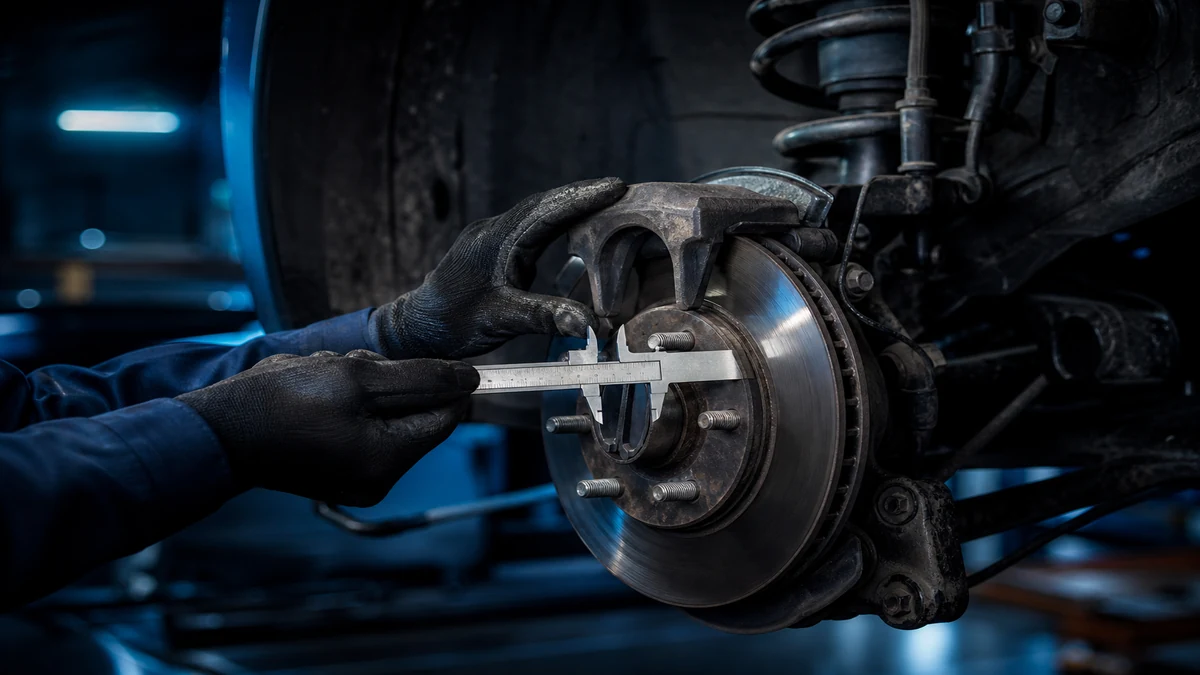
Fleet brake reviews document pad thickness at multiple points, rotor surface condition classes, caliper slide observation where applicable, and brake fluid test results when included. Educational modules define each field so coordinators distinguish measurement notes from service authorization language on workshop portals.
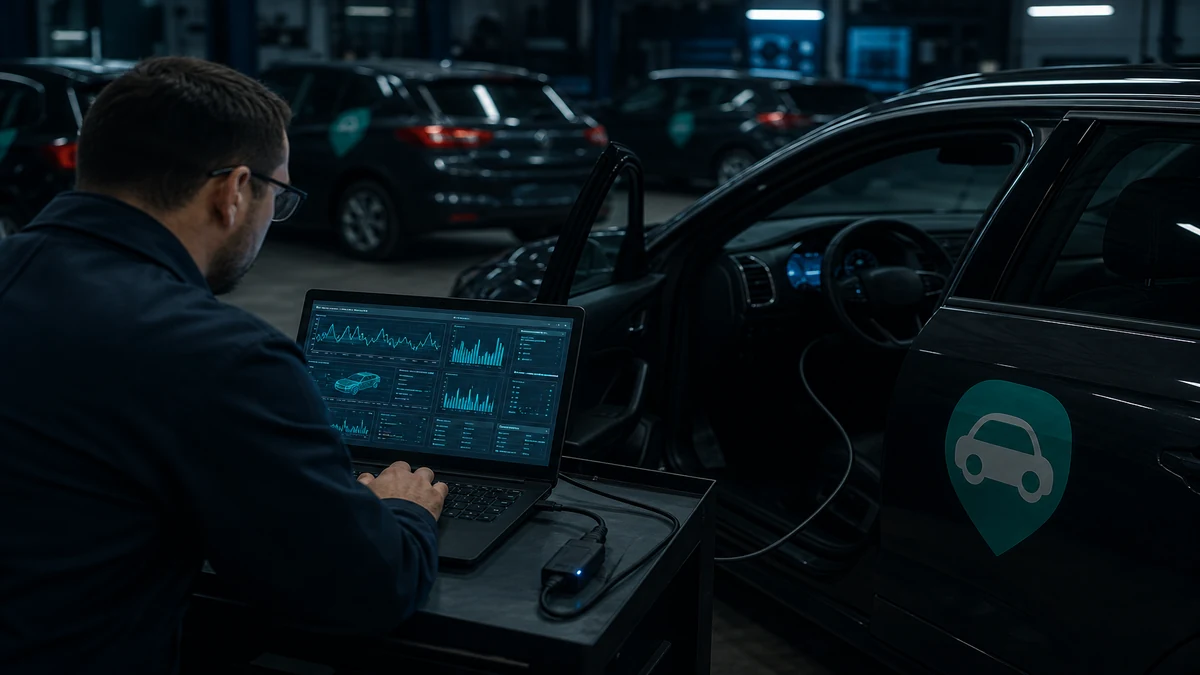
ABS and stability control module scan exports may appear alongside mechanical brake observations after scheduled checks. Gateway communication logs and stored code history are presented as separate observation categories requiring licensed interpretation when active warnings are present.
Suspension observation categories
Suspension sections on fleet forms list shock and strut leak observation classes, bushing wear categories, spring condition notes, and alignment measurement fields where tested. Understanding wear class definitions supports questions about which corners were evaluated and under what load conditions.
Vehicles with frequent urban utilization may show accelerated wear observation on specific components. Educational content describes wear fields as documentation categories at a point in time — not as vehicle-specific conclusions without licensed verification.
Connecting symptoms to inspection categories
Steering vibration, pedal pulsation, or warning lamp status may appear together on post-service inspection documents. Modules separate symptom descriptions from inspection field names so coordinators can prepare focused questions: which wheels were measured, whether road test notes were recorded, and how prior trip reports were cross-referenced.
Safety control checklist structures
Fleet safety reports often end with restraint system observation, tire pressure monitoring categories, lighting function checks, and emergency equipment status fields. Educational content describes these as neutral documentation vocabulary — organizational logs may track the same fields without treating portal text as binding service authorization.
Practical recommendation outlines
Workshop reports frequently include practical recommendation sections listing monitoring intervals, follow-up mileage targets, and observation priority classes. Modules present these as neutral planning vocabulary for licensed shop dialogue — household and fleet spreadsheets may mirror the same column headers for internal reference.
Wear pattern documentation over service cycles
Brake and suspension reports accumulated across scheduled visits create observation histories. celestiterk modules define how wear class fields relate to prior measurements — always as documentation categories, not vehicle-specific conclusions.
Using celestiterk as reference before shop authorization
Educational modules on celestiterk.info describe documentation formats, glossary entries, and neutral planning vocabulary for fleet vehicle review. Content supports orientation and structured shop dialogue — it does not replace hands-on evaluation by a licensed repair facility or manufacturer service procedures.
When observations involve steering, brakes, restraint systems, high-voltage components, or structural assemblies, we recommend consulting a qualified workshop before authorizing service. celestiterk explains learning formats and information delivery; operational decisions remain your responsibility together with your chosen service provider.
For terminology questions about this article or related modules, use our contact form. The editorial team responds through a 24/7 message queue from our Chicago coordination office at Willis Tower, 233 South Wacker Drive, Suite 4200, Office 4218, Chicago, IL 60606, United States.